A stroke is a medical emergency that occurs when blood flow to the brain is disrupted. Immediate recognition and treatment are crucial to prevent permanent brain damage, disability, or death. One of the easiest ways to remember the warning signs of a stroke is the FAST acronym. What is FAST? FAST stands for Face, Arms, Speech, Time. These simple checks help identify a stroke quickly: F – Face Drooping Ask the person to smile. Look for uneven facial muscles or drooping on one side. A – Arm Weakness Ask the person to raise both arms. Check if one arm drifts downward or cannot be lifted. S – Speech Difficulty Ask the person to repeat a simple sentence. Listen for slurred speech, inability to speak, or strange word usage. T – Time to Call Emergency Services If any of the above signs are present, call emergency services immediately. Quick treatment, such as clot-busting medication, can save lives and prevent long-term disability. Other Stroke Symptoms Besides FAST, be aware of additional warning signs: Sudden numbness or weakness in the face, arm, or leg (especially on one side) Sudden confusion or trouble understanding speech Sudden trouble seeing in one or both eyes Sudden trouble walking, dizziness, loss of balance, or coordination Sudden severe headache with no known cause Why Acting Fast Matters Every minute counts during a stroke. Brain cells begin to die within minutes of oxygen loss. Early medical intervention can: Reduce the risk of permanent brain damage Improve recovery outcomes Prevent long-term disabilities like paralysis, speech difficulties, or memory loss
How to Reduce Your Risk of Stroke
A stroke is a medical emergency that occurs when blood flow to the brain is disrupted, either due to a blocked artery (ischemic stroke) or bleeding in the brain (hemorrhagic stroke). Strokes can cause permanent brain damage, disability, or even death. The good news is that many strokes are preventable through lifestyle changes, medical management, and awareness of risk factors. Recognize the Risk Factors Understanding your risk factors is the first step in stroke prevention: High Blood Pressure: The leading cause of stroke; controlling it significantly lowers risk. Diabetes: Poorly controlled blood sugar damages blood vessels. High Cholesterol: Leads to plaque buildup, narrowing arteries. Smoking and Alcohol: Both increase clotting and vessel damage. Obesity and Sedentary Lifestyle: Contribute to cardiovascular problems. Heart Conditions: Atrial fibrillation or heart disease increases stroke risk. Family History and Age: Older adults and those with a family history are at higher risk. Lifestyle Changes to Prevent Stroke Control Blood Pressure Monitor your blood pressure regularly. Follow your doctor’s advice on medications and lifestyle changes. Manage Diabetes and Cholesterol Maintain healthy blood sugar and lipid levels. Eat a balanced diet low in saturated fats and refined sugars. Exercise Regularly Aim for at least 30 minutes of moderate activity most days. Activities like walking, swimming, or cycling improve circulation and heart health. Healthy Diet Include fruits, vegetables, whole grains, and lean proteins. Reduce salt, processed foods, and unhealthy fats. Quit Smoking and Limit Alcohol Smoking cessation and moderate alcohol consumption reduce stroke risk significantly. Maintain a Healthy Weight Obesity increases the risk of high blood pressure, diabetes, and heart disease. Manage Stress Chronic stress can elevate blood pressure and heart rate. Use relaxation techniques, meditation, yoga, or deep breathing exercises. Medical Interventions Medications: Antiplatelets (e.g., aspirin) and anticoagulants may be prescribed for high-risk patients. Regular Checkups: Routine health screenings help detect risk factors early. Surgery or Procedures: In some cases, procedures like carotid artery surgery may be recommended to prevent stroke. Recognize Stroke Early Knowing the warning signs can save lives. Remember FAST: Face drooping Arm weakness Speech difficulty Time to call emergency services Immediate medical attention can drastically reduce long-term complications.
Brain-Healthy Foods and Diet Tips
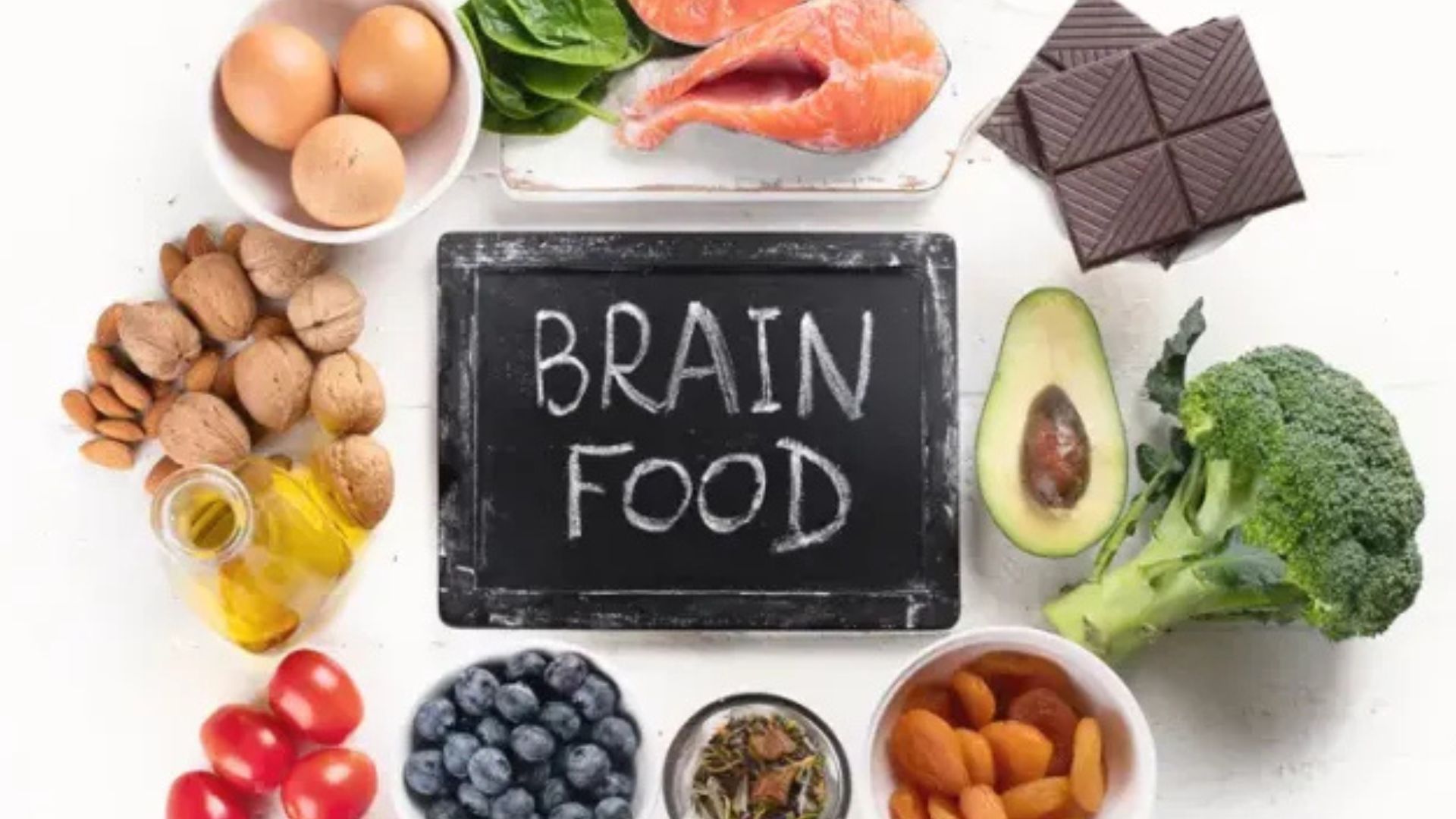
Maintaining a healthy brain is essential for cognitive function, memory, and overall neurological health. Nutrition plays a key role in supporting brain function, preventing cognitive decline, and reducing the risk of neurological diseases such as Alzheimer’s, dementia, and stroke. Incorporating the right foods and habits into your diet can help keep your brain sharp and functioning optimally. Key Brain-Healthy Foods Fatty Fish Salmon, mackerel, sardines, and trout are rich in omega-3 fatty acids, essential for brain cell structure and function. Omega-3s help improve memory, focus, and reduce inflammation in the brain. Berries Blueberries, strawberries, and blackberries contain antioxidants that protect brain cells from oxidative stress. Regular consumption may improve communication between brain cells and enhance memory. Leafy Green Vegetables Spinach, kale, and broccoli are rich in vitamins like K, folate, and beta carotene. These nutrients support cognitive function and slow age-related mental decline. Nuts and Seeds Walnuts, almonds, flaxseeds, and chia seeds provide healthy fats, antioxidants, and vitamin E. They support brain health and reduce the risk of cognitive impairment. Whole Grains Oats, quinoa, and brown rice provide steady glucose, which is the primary energy source for the brain. Whole grains support concentration and memory throughout the day. Dark Chocolate Contains flavonoids, caffeine, and antioxidants that enhance brain function. Moderate consumption may improve focus and memory. Eggs Rich in choline, which is essential for producing acetylcholine, a neurotransmitter important for memory and mood. Citrus Fruits Oranges, lemons, and grapefruits are high in vitamin C, which protects brain cells and supports overall cognitive health. Diet Tips for Better Brain Health Stay Hydrated: Dehydration can reduce attention and memory performance. Limit Processed Foods and Sugars: High sugar intake can impair cognitive function and increase inflammation. Eat Regular, Balanced Meals: Consistent nutrition helps maintain energy and focus. Include Anti-Inflammatory Foods: Turmeric, ginger, and green tea support brain health by reducing inflammation. Moderate Caffeine Intake: Coffee or tea can enhance alertness, but avoid excess. Lifestyle Habits to Complement Diet Combine a healthy diet with regular physical activity to boost blood flow to the brain. Engage in mental exercises like puzzles, reading, or learning new skills. Prioritize adequate sleep to support memory consolidation and brain repair. Manage stress through mindfulness, meditation, or yoga, which protects brain function.
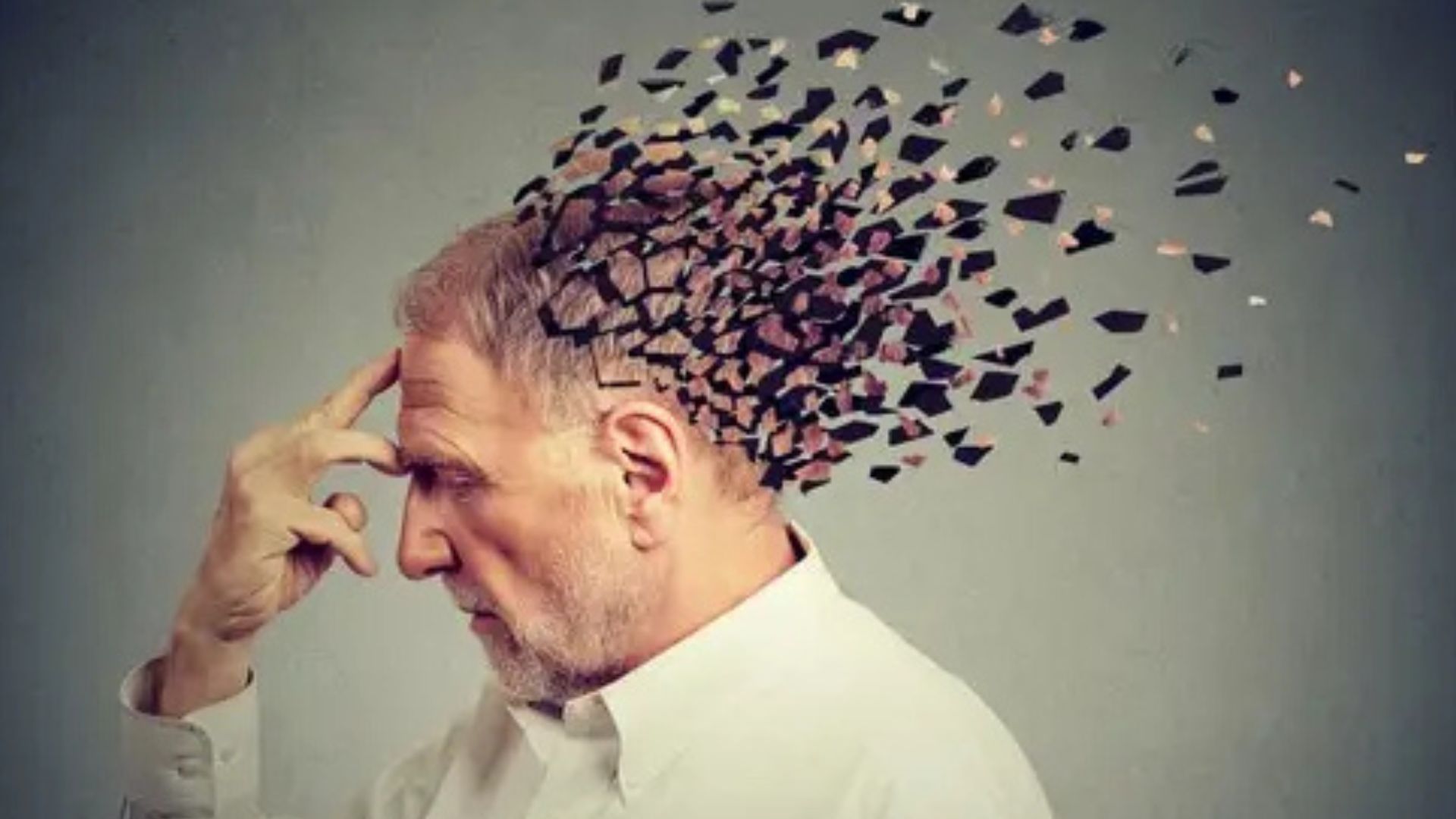
Early Signs of Alzheimer’s and Dementia
Early Signs of Alzheimer’s and Dementia Alzheimer’s disease and dementia are progressive neurological disorders that affect memory, thinking, and behavior. Early detection is crucial, as timely intervention can help slow progression and improve quality of life. Recognizing the warning signs allows patients and families to seek professional care from a neurologist and make necessary lifestyle adjustments. What is Dementia and Alzheimer’s? Dementia is a general term for a decline in cognitive abilities that interferes with daily life. Alzheimer’s disease is the most common form of dementia, accounting for 60–80% of cases. Both conditions involve damage to brain cells, leading to memory loss, confusion, and changes in behavior or personality. Early Signs to Watch For Memory Loss Affecting Daily Life: Forgetting recent events, appointments, or conversations repeatedly. Frequently relying on notes or reminders. Difficulty Planning or Solving Problems: Struggling to follow familiar recipes or manage finances. Trouble concentrating on tasks that were once easy. Confusion with Time or Place: Losing track of dates, seasons, or the passage of time. Forgetting where they are or how they got there. Trouble with Familiar Tasks: Difficulty completing routine activities like cooking, driving, or managing medications. Language and Communication Problems: Struggling to find the right words or follow conversations. Repeating questions or losing the thread of discussions. Misplacing Items and Losing the Ability to Retrace Steps: Placing things in unusual locations and being unable to find them. Accusing others of stealing misplaced items. Changes in Mood and Personality: Becoming unusually anxious, depressed, or suspicious. Showing less interest in hobbies or social activities. Poor Judgment and Decision-Making: Making unsafe financial or personal decisions. Neglecting personal hygiene or home maintenance. When to See a Neurologist If you or a loved one notice persistent signs of memory loss, confusion, or changes in behavior, it’s important to consult a neurologist. Early diagnosis allows for: Proper medical management and medications to slow progression Cognitive therapies to maintain brain function Planning for future care and support Lifestyle Tips for Brain Health While there is no cure for Alzheimer’s, certain lifestyle habits may help reduce risk or delay onset: Engage in regular physical exercise Maintain a healthy, balanced diet rich in fruits, vegetables, and whole grains Stay mentally active with reading, puzzles, or learning new skills Maintain social connections and reduce stress Control cardiovascular risk factors like hypertension, diabetes, and high cholesterol
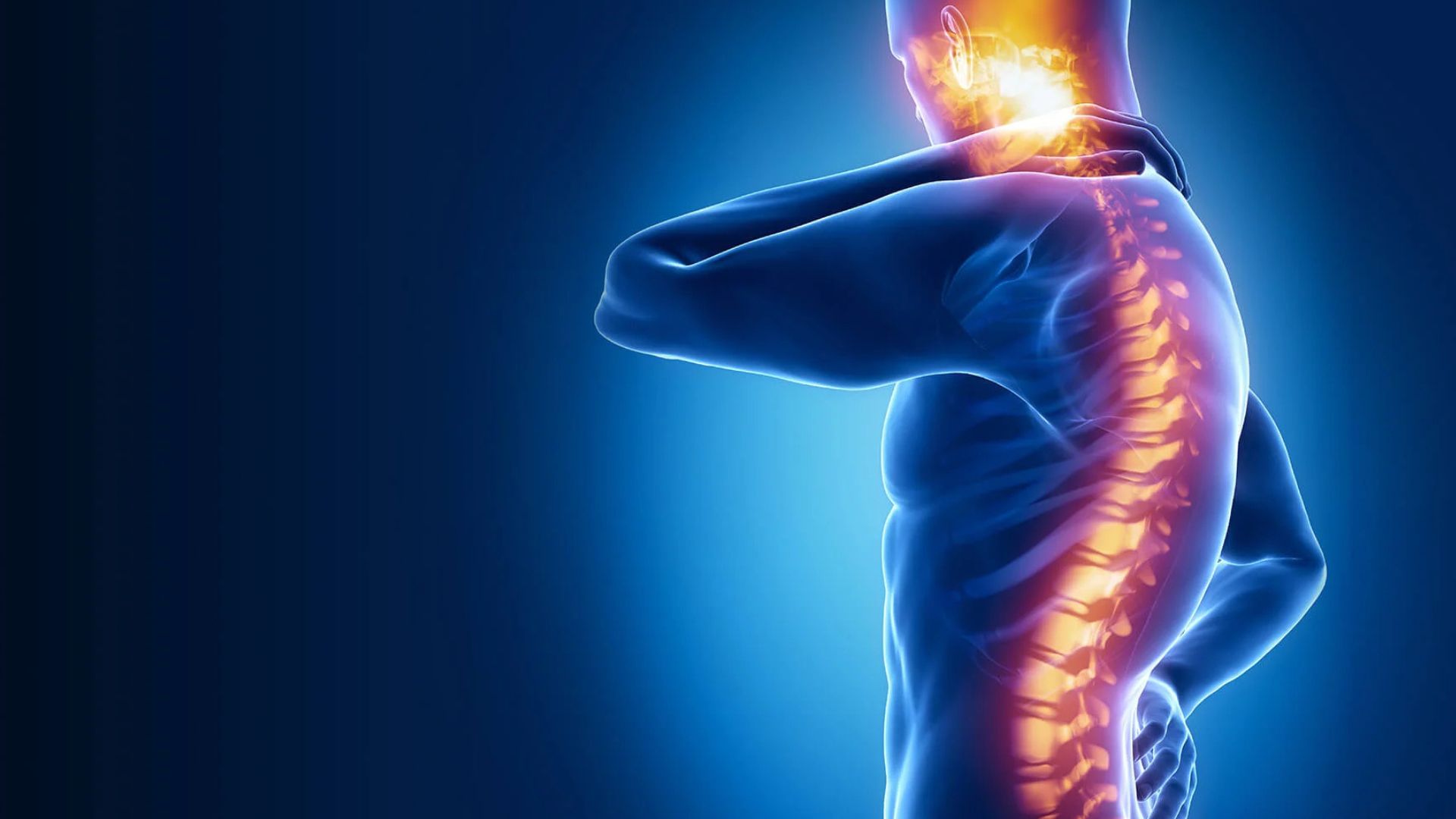
Understanding Spinal Cord Disorders
The spinal cord is a vital part of the nervous system, acting as the main pathway for transmitting messages between the brain and the rest of the body. Damage or disease affecting the spinal cord can lead to serious neurological problems, including pain, weakness, loss of sensation, and paralysis. Understanding spinal cord disorders, their causes, symptoms, and treatments is crucial for maintaining mobility and overall health. Common Spinal Cord Disorders Spinal Cord Injury (SCI): Can result from trauma, such as car accidents, falls, or sports injuries. May cause partial or complete loss of movement and sensation below the injury site. Degenerative Diseases: Conditions like spinal stenosis or degenerative disc disease lead to compression of the spinal cord or nerves. Symptoms include back pain, numbness, tingling, and difficulty walking. Inflammatory and Infectious Disorders: Infections (e.g., spinal meningitis) or autoimmune conditions (e.g., transverse myelitis) can damage spinal cord tissue. Symptoms include pain, weakness, fever, and sensory disturbances. Tumors of the Spine: Tumors can be primary (originating in the spinal cord) or secondary (metastatic). They may compress nerves and cause pain, weakness, or paralysis. Signs and Symptoms Symptoms vary depending on the location and severity of the disorder but may include: Weakness or paralysis in arms, legs, or trunk Loss of sensation, numbness, or tingling Difficulty walking or maintaining balance Chronic pain or discomfort Loss of bladder or bowel control Early recognition of symptoms is essential for timely treatment and preventing permanent damage. Causes and Risk Factors Trauma: Accidents, falls, or sports injuries Degenerative changes: Aging, arthritis, or disc problems Infections: Bacterial, viral, or fungal infections affecting the spinal cord Autoimmune disorders: Conditions that attack spinal cord tissues Tumors: Benign or malignant growths pressing on spinal nerves Treatment and Management Treatment depends on the type and severity of the disorder: 1. Medications: Pain relievers, anti-inflammatory drugs, or medications to manage nerve pain. Steroids to reduce inflammation in acute injuries or autoimmune conditions. 2. Surgery: To remove tumors, relieve compression, stabilize fractures, or repair spinal injuries. 3. Rehabilitation and Therapy: Physical therapy to regain strength and mobility Occupational therapy for daily activity management Assistive devices such as braces, walkers, or wheelchairs 4. Lifestyle Modifications: Maintaining a healthy weight and posture Regular exercise to strengthen supporting muscles Avoiding activities that increase the risk of spinal injury
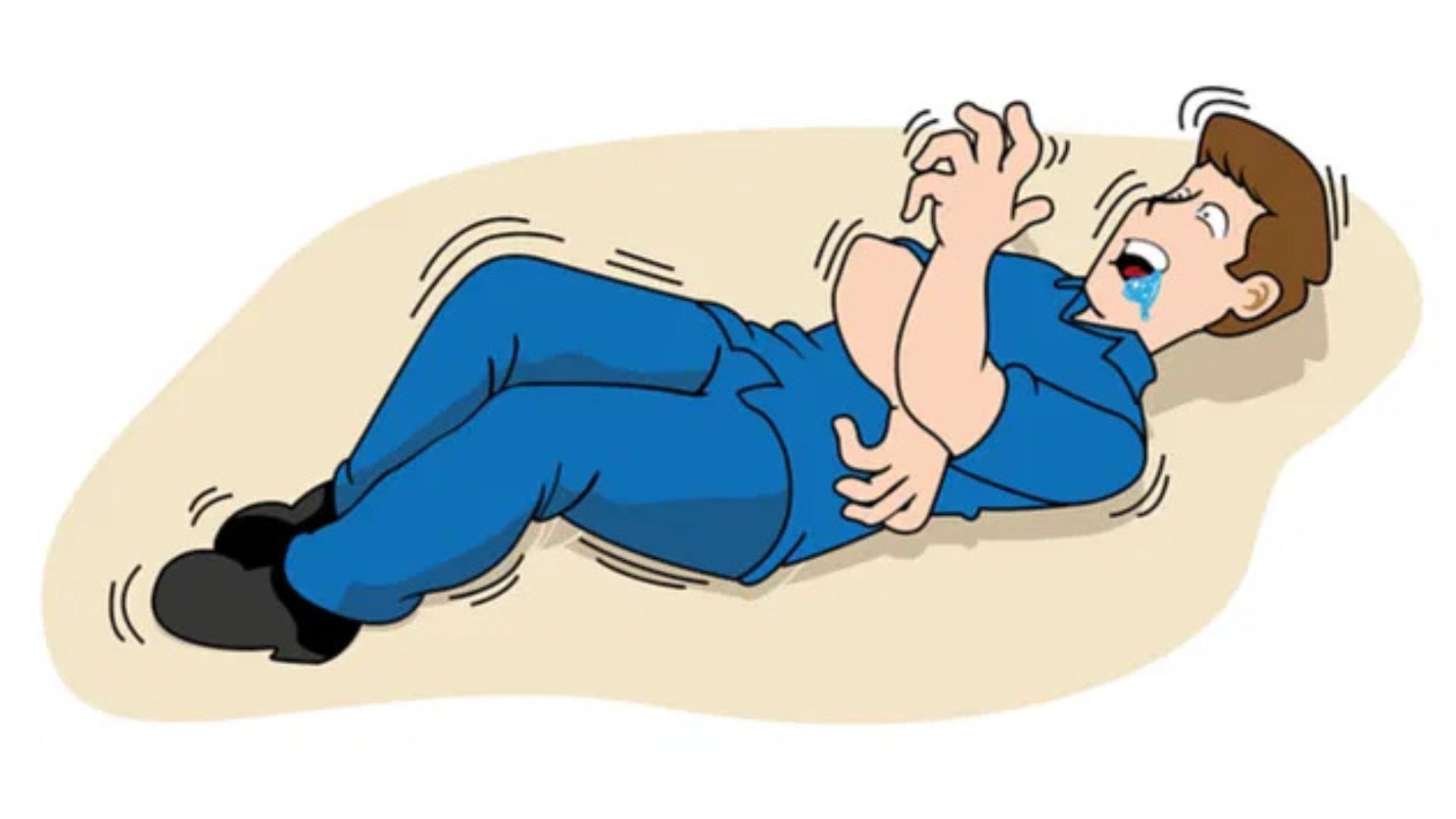
Understanding Epilepsy and Seizures
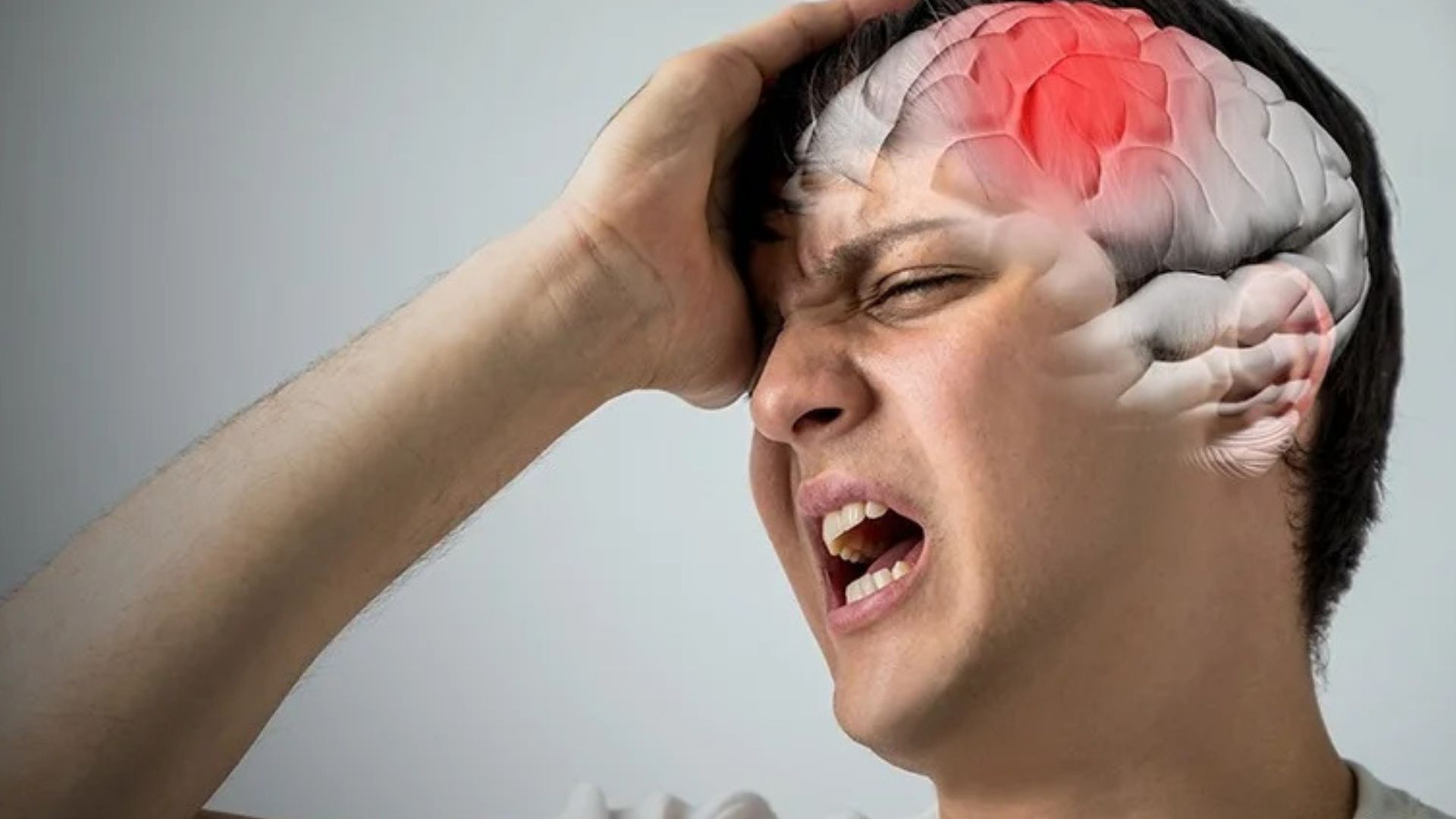
Epilepsy is a neurological disorder characterized by recurrent, unprovoked seizures. A seizure occurs when there is a sudden surge of electrical activity in the brain, causing temporary changes in behavior, sensation, or consciousness. While epilepsy affects people of all ages, it is particularly common in children and older adults. Understanding its causes, symptoms, and treatments is essential for effective management. Signs and Symptoms of Seizures Seizures can vary greatly depending on which part of the brain is affected. Common symptoms include: Temporary confusion or staring spells Uncontrollable jerking movements of the arms and legs Loss of consciousness or awareness Emotional changes, such as fear or anxiety Unusual sensations, such as tingling or visual disturbances Some seizures may be subtle and barely noticeable, while others can be dramatic and severe. Recognizing the type of seizure is crucial for diagnosis and treatment. Causes and Risk Factors Epilepsy can result from multiple causes: Genetic factors: Some types of epilepsy run in families. Brain injury: Trauma, stroke, or infection can trigger seizures. Developmental disorders: Conditions such as autism may increase the risk. Neurological diseases: Tumors or neurodegenerative conditions may contribute. Unknown causes: In many cases, the exact cause is not identified. Certain triggers can provoke seizures in people with epilepsy, including sleep deprivation, stress, flashing lights, alcohol, or certain medications. Treatment and Management Although epilepsy cannot always be cured, seizures can often be controlled with proper treatment. 1. Medications: Antiepileptic drugs (AEDs) are the first-line treatment to reduce or prevent seizures. The choice of medication depends on the seizure type and patient-specific factors. 2. Surgery: For patients whose seizures do not respond to medication, surgery may remove the affected area of the brain. Vagus nerve stimulation or responsive neurostimulation can also help control seizures. 3. Lifestyle and Self-Care: Adequate sleep, stress management, and avoidance of seizure triggers. Regular follow-up with a neurologist to monitor treatment effectiveness. Safety precautions during daily activities, such as avoiding swimming alone or climbing heights. 4. Support and Education: Counseling and support groups help patients and families cope with the emotional and social impact of epilepsy. When to Seek Immediate Help Seek urgent medical attention if a seizure: Lasts more than five minutes Occurs consecutively without recovery Causes injury, difficulty breathing, or confusion Prompt treatment reduces complications and improves quality of life.
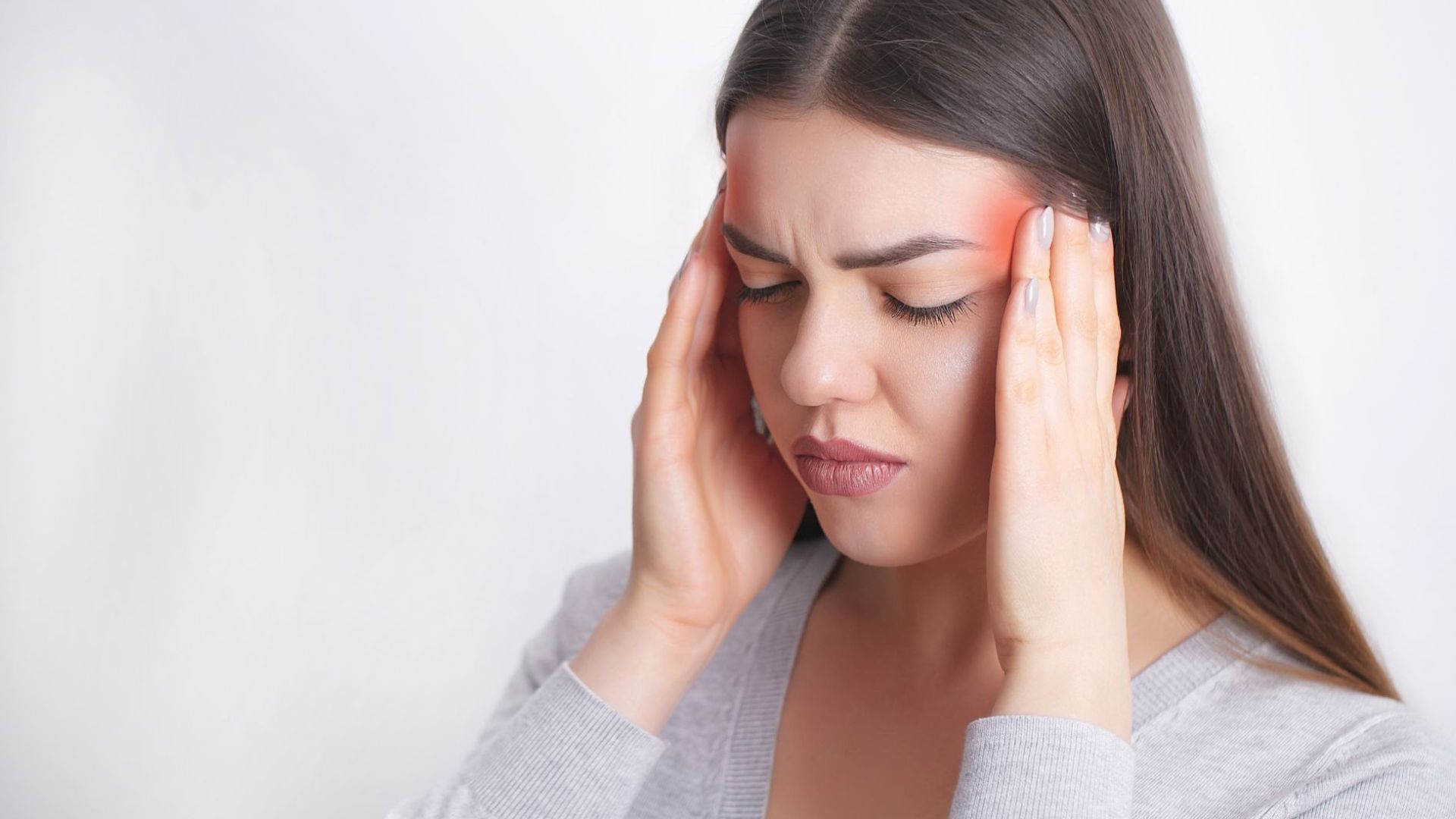
Understanding Migraine and Headaches
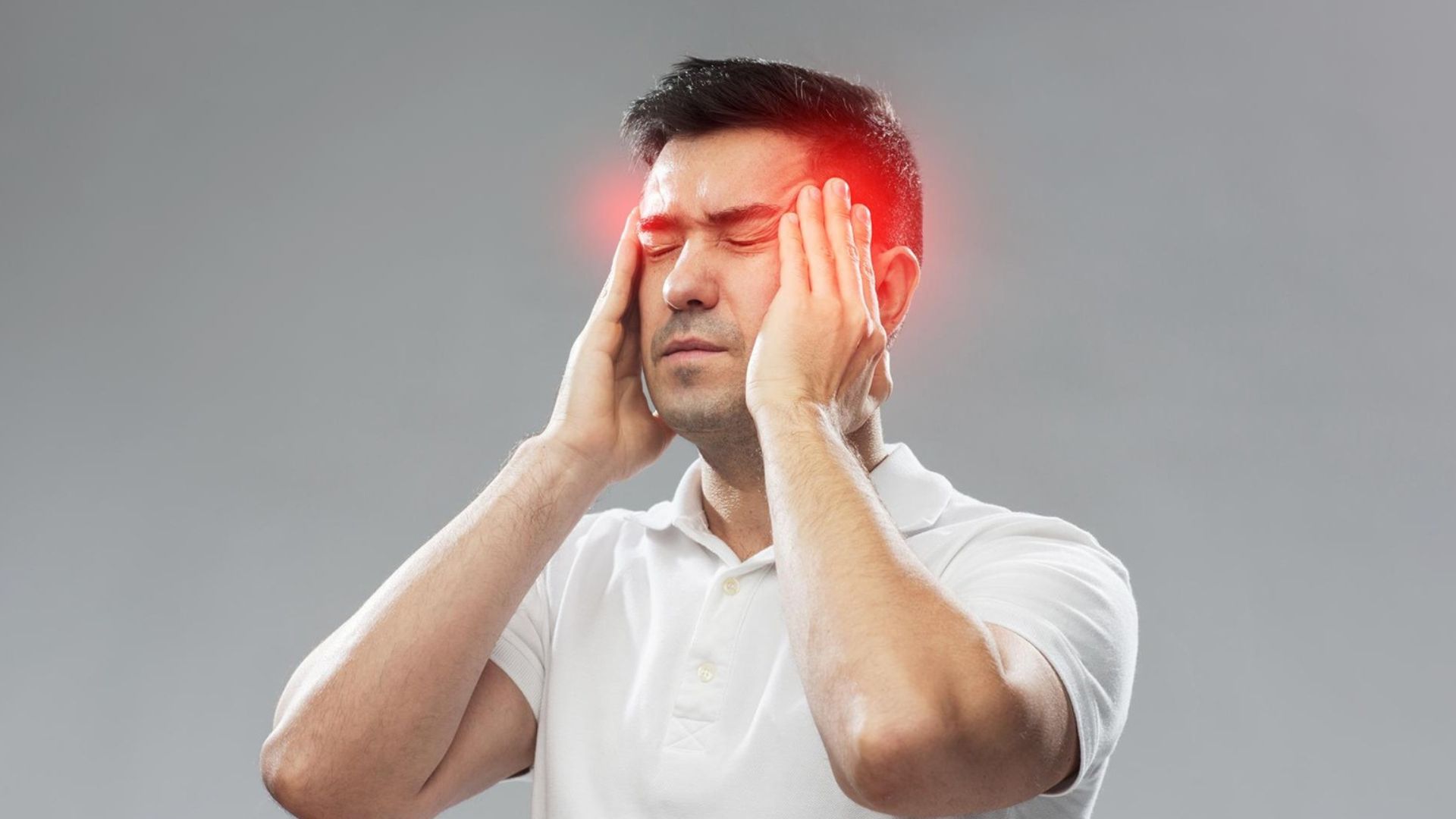
Headaches are one of the most common neurological complaints worldwide. While most headaches are mild and temporary, migraines are a more severe form of headache that can significantly affect daily life. Understanding the differences, causes, symptoms, and treatments is essential for effective management. Types of Headaches Tension Headaches: The most common type of headache, often caused by stress, poor posture, or fatigue. Symptoms: Dull, aching pain around the forehead or back of the head, tightness in the neck and shoulders. Migraines: A neurological condition characterized by intense, throbbing pain, usually on one side of the head. Symptoms: Severe headache, nausea, vomiting, sensitivity to light and sound, visual disturbances (auras). Triggers: Stress, hormonal changes, certain foods, dehydration, lack of sleep, or environmental factors. Cluster Headaches: Rare but extremely painful, often occurring in cycles or clusters. Symptoms: Intense pain around one eye, watery eyes, nasal congestion, restlessness during attacks. Secondary Headaches: Result from underlying medical conditions such as infections, high blood pressure, or brain injuries. Symptoms vary depending on the cause. Causes and Triggers Migraines and headaches can be triggered by multiple factors: Stress and anxiety Hormonal changes in women (menstrual cycles, pregnancy) Poor sleep or irregular sleep patterns Certain foods and beverages (caffeine, processed foods, alcohol) Dehydration Environmental factors (bright lights, loud noises, strong smells) Identifying personal triggers can help reduce the frequency and severity of headaches. Treatment and Management 1. Medications: Over-the-counter pain relievers for mild headaches (acetaminophen, ibuprofen). Prescription medications for migraines, including triptans, anti-nausea drugs, and preventive therapies. 2. Lifestyle Modifications: Maintain a consistent sleep schedule. Stay hydrated and eat balanced meals. Exercise regularly to reduce stress. 3. Stress Management Techniques: Yoga, meditation, and relaxation exercises. Cognitive-behavioral therapy (CBT) for chronic migraine patients. 4. Avoiding Triggers: Keeping a headache diary to identify foods, activities, or environmental triggers. Limiting caffeine, alcohol, and processed foods. When to See a Neurologist While most headaches are not life-threatening, certain symptoms require immediate medical attention: Sudden, severe headache unlike any before Headache with fever, stiff neck, or rash Vision problems, weakness, or numbness Headache after head injury A neurologist can provide accurate diagnosis, recommend preventive strategies, and offer treatments tailored to your condition.
Understanding Stroke and How to Prevent It
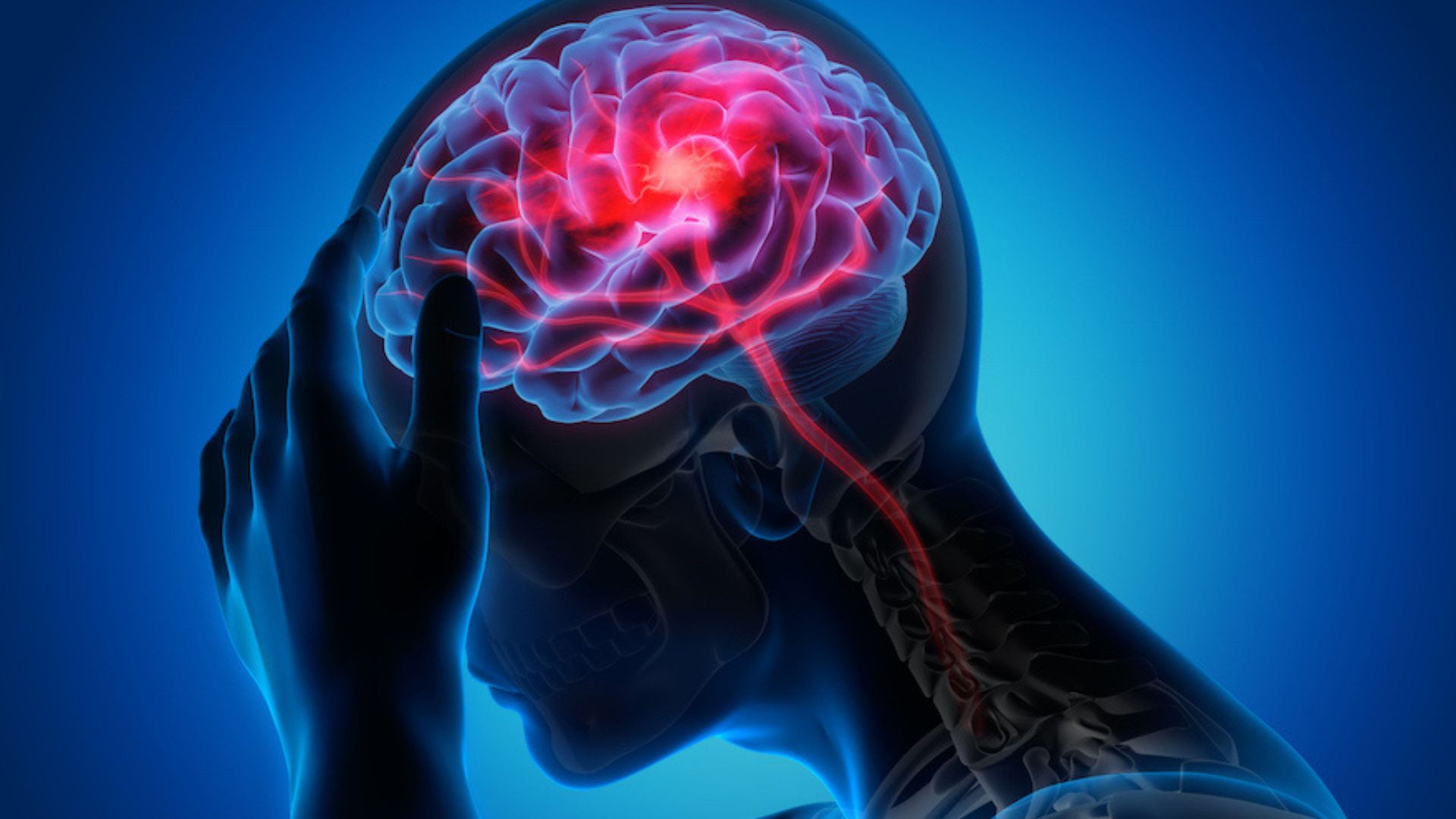
A stroke is a serious medical condition that occurs when blood flow to a part of the brain is interrupted, either due to a blocked artery (ischemic stroke) or bleeding in the brain (hemorrhagic stroke). When this happens, brain cells begin to die within minutes, which can lead to long-term disability, cognitive impairment, or even death. Recognizing the signs of stroke and taking preventive measures is crucial for maintaining brain health. Signs and Symptoms of Stroke The symptoms of stroke often appear suddenly. Common warning signs include: Weakness or numbness on one side of the body Trouble speaking or understanding speech Sudden vision problems in one or both eyes Severe headache with no known cause Dizziness, loss of balance, or difficulty walking A simple way to remember stroke symptoms is FAST: Face drooping Arm weakness Speech difficulty Time to call emergency services immediately Immediate medical attention can significantly improve outcomes, as treatments like clot-busting medications or surgery are most effective when administered quickly. Risk Factors for Stroke Certain factors increase the likelihood of having a stroke. These include: High blood pressure: The leading cause of stroke Diabetes: Can damage blood vessels and increase clot risk High cholesterol: Leads to plaque buildup in arteries Smoking and alcohol use: Both damage blood vessels and increase clotting risk Obesity and sedentary lifestyle: Contribute to heart disease and vascular problems Family history and age: Older adults and those with a family history are at higher risk Understanding your personal risk factors is the first step toward prevention. Stroke Prevention Strategies While some risk factors, like age and genetics, cannot be changed, lifestyle modifications and medical management can dramatically reduce stroke risk: Maintain Healthy Blood Pressure: Regularly monitor blood pressure and follow your doctor’s advice for medications or lifestyle changes. Control Blood Sugar: For people with diabetes, managing blood sugar through diet, exercise, and medication is critical. Lower Cholesterol: Eat a balanced diet low in saturated fats and consider cholesterol-lowering medications if prescribed. Exercise Regularly: Physical activity strengthens the heart and improves blood flow to the brain. Avoid Smoking and Limit Alcohol: Smoking cessation and moderate or no alcohol consumption lower stroke risk. Adopt a Brain-Healthy Diet: Include fruits, vegetables, whole grains, and lean proteins. Reduce salt and processed foods. Manage Stress: Chronic stress can increase blood pressure and stroke risk, so practices like yoga, meditation, or relaxation techniques can help. Conclusion Stroke is a medical emergency that can have devastating consequences, but many strokes are preventable through a combination of healthy lifestyle choices, regular medical checkups, and awareness of warning signs. Early recognition and treatment save lives and reduce long-term complications. Taking proactive steps today—such as managing blood pressure, controlling diabetes, exercising, and avoiding smoking—can significantly lower your risk of stroke tomorrow. By prioritizing brain health and working closely with a neurologist, you can protect yourself and your loved ones from the serious impacts of stroke.