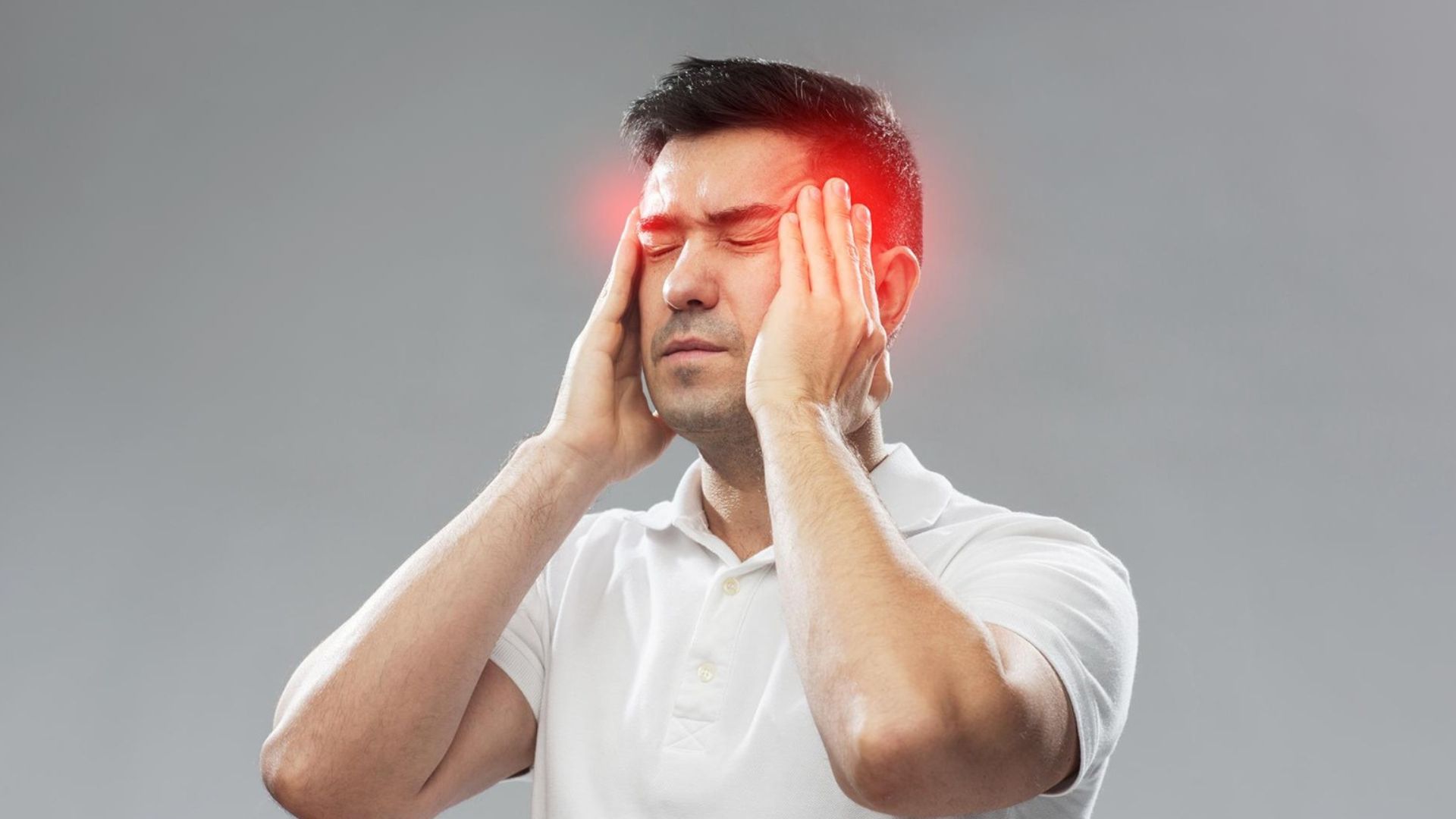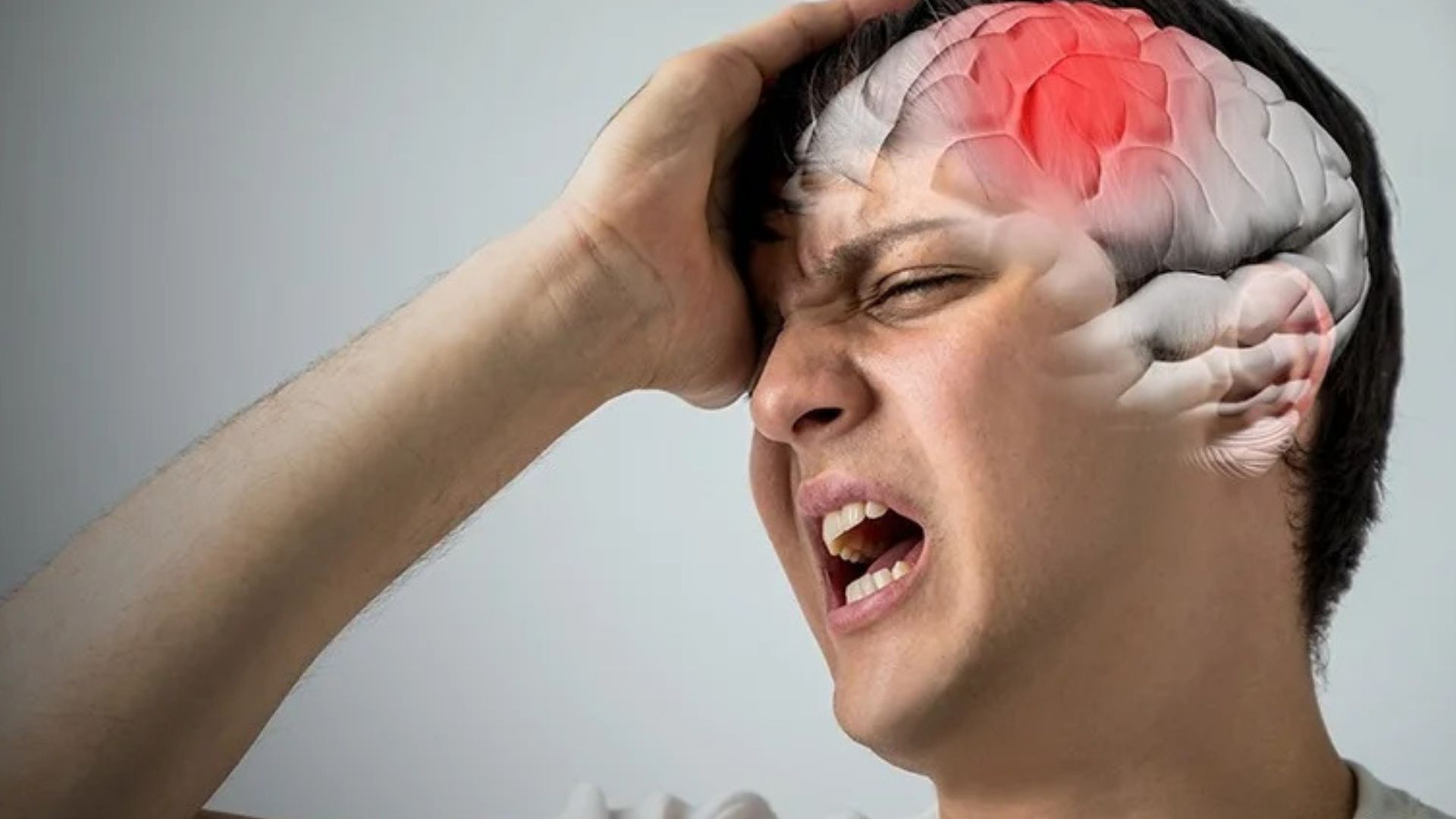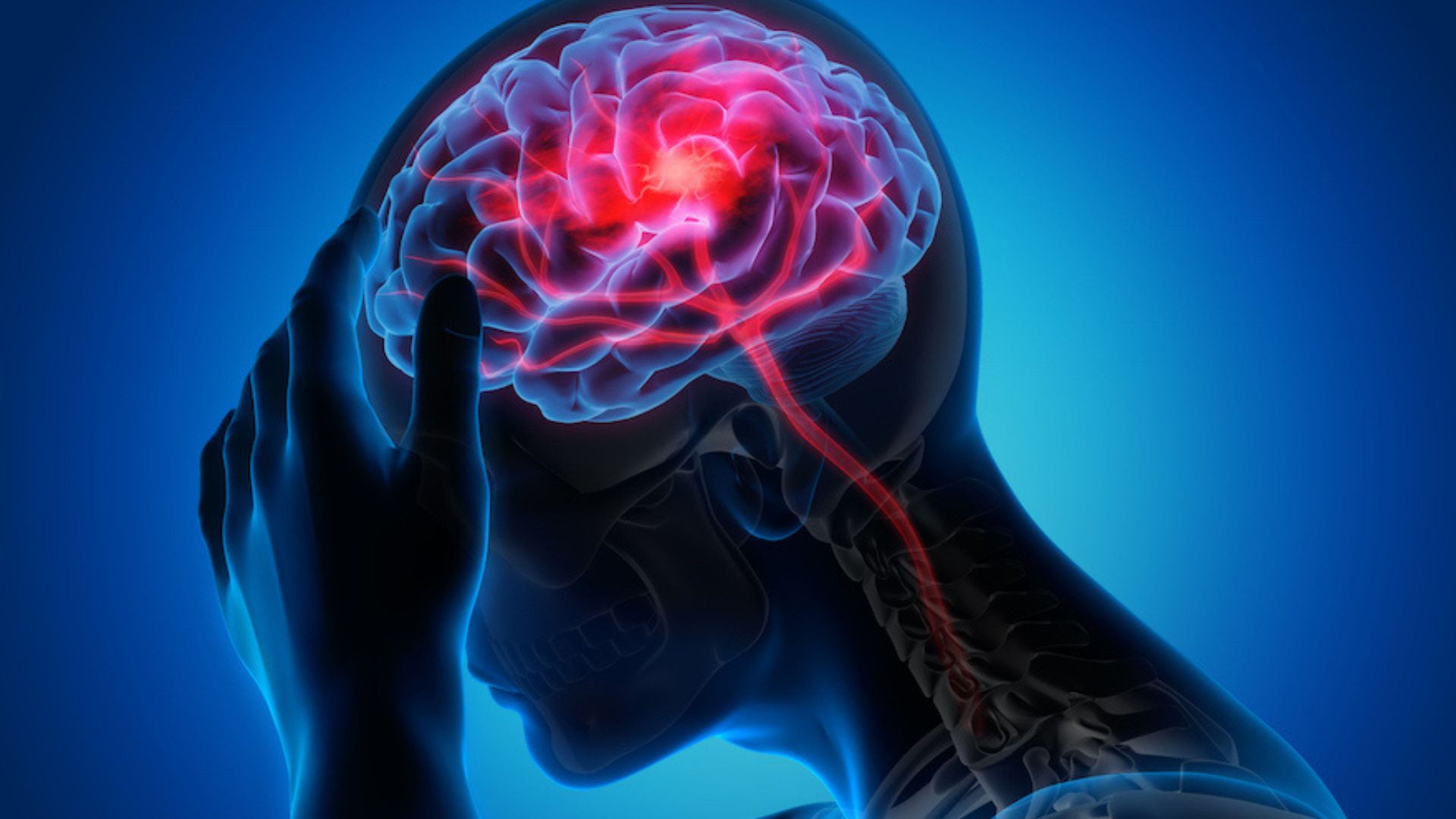
A stroke is a serious medical condition that occurs when blood flow to a part of the brain is interrupted, either due to a blocked artery (ischemic stroke) or bleeding in the brain (hemorrhagic stroke). When this happens, brain cells begin to die within minutes, which can lead to long-term disability, cognitive impairment, or even death. Recognizing the signs of stroke and taking preventive measures is crucial for maintaining brain health.
Signs and Symptoms of Stroke
The symptoms of stroke often appear suddenly. Common warning signs include:
Weakness or numbness on one side of the body
Trouble speaking or understanding speech
Sudden vision problems in one or both eyes
Severe headache with no known cause
Dizziness, loss of balance, or difficulty walking
A simple way to remember stroke symptoms is FAST:
Face drooping
Arm weakness
Speech difficulty
Time to call emergency services immediately
Immediate medical attention can significantly improve outcomes, as treatments like clot-busting medications or surgery are most effective when administered quickly.
Risk Factors for Stroke
Certain factors increase the likelihood of having a stroke. These include:
High blood pressure: The leading cause of stroke
Diabetes: Can damage blood vessels and increase clot risk
High cholesterol: Leads to plaque buildup in arteries
Smoking and alcohol use: Both damage blood vessels and increase clotting risk
Obesity and sedentary lifestyle: Contribute to heart disease and vascular problems
Family history and age: Older adults and those with a family history are at higher risk
Understanding your personal risk factors is the first step toward prevention.
Stroke Prevention Strategies
While some risk factors, like age and genetics, cannot be changed, lifestyle modifications and medical management can dramatically reduce stroke risk:
Maintain Healthy Blood Pressure: Regularly monitor blood pressure and follow your doctor’s advice for medications or lifestyle changes.
Control Blood Sugar: For people with diabetes, managing blood sugar through diet, exercise, and medication is critical.
Lower Cholesterol: Eat a balanced diet low in saturated fats and consider cholesterol-lowering medications if prescribed.
Exercise Regularly: Physical activity strengthens the heart and improves blood flow to the brain.
Avoid Smoking and Limit Alcohol: Smoking cessation and moderate or no alcohol consumption lower stroke risk.
Adopt a Brain-Healthy Diet: Include fruits, vegetables, whole grains, and lean proteins. Reduce salt and processed foods.
Manage Stress: Chronic stress can increase blood pressure and stroke risk, so practices like yoga, meditation, or relaxation techniques can help.
Conclusion
Stroke is a medical emergency that can have devastating consequences, but many strokes are preventable through a combination of healthy lifestyle choices, regular medical checkups, and awareness of warning signs. Early recognition and treatment save lives and reduce long-term complications. Taking proactive steps today—such as managing blood pressure, controlling diabetes, exercising, and avoiding smoking—can significantly lower your risk of stroke tomorrow.
By prioritizing brain health and working closely with a neurologist, you can protect yourself and your loved ones from the serious impacts of stroke.