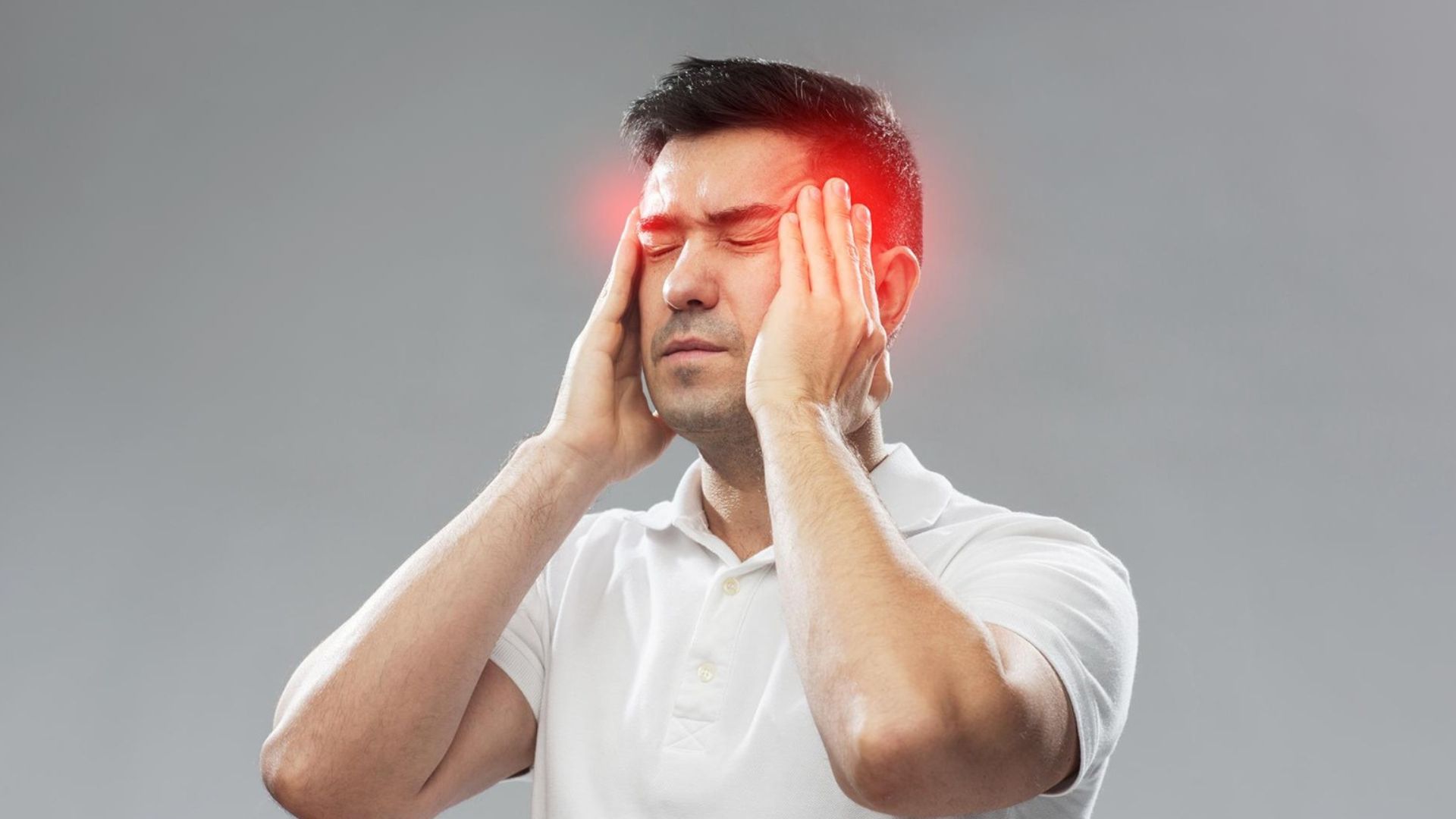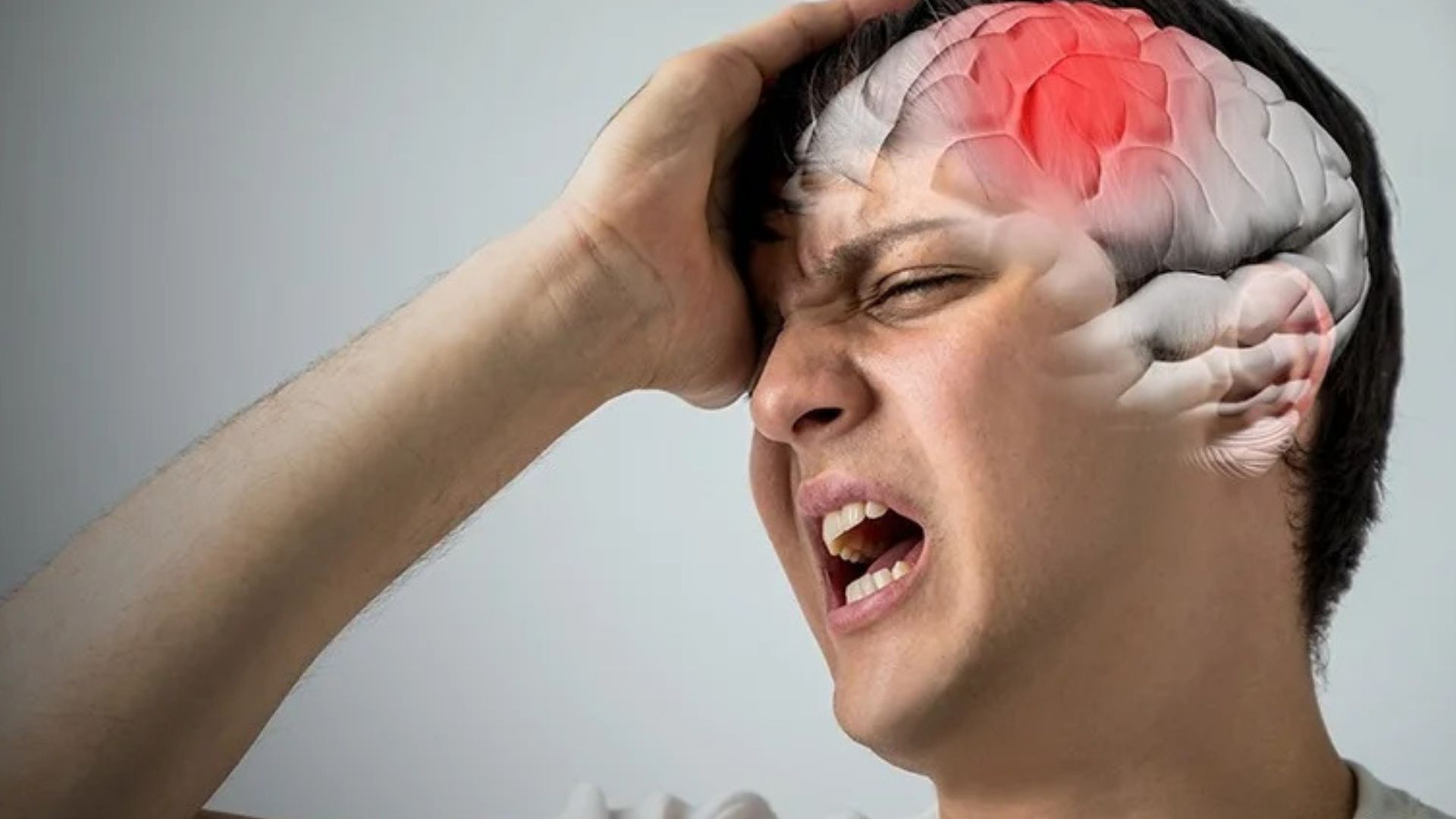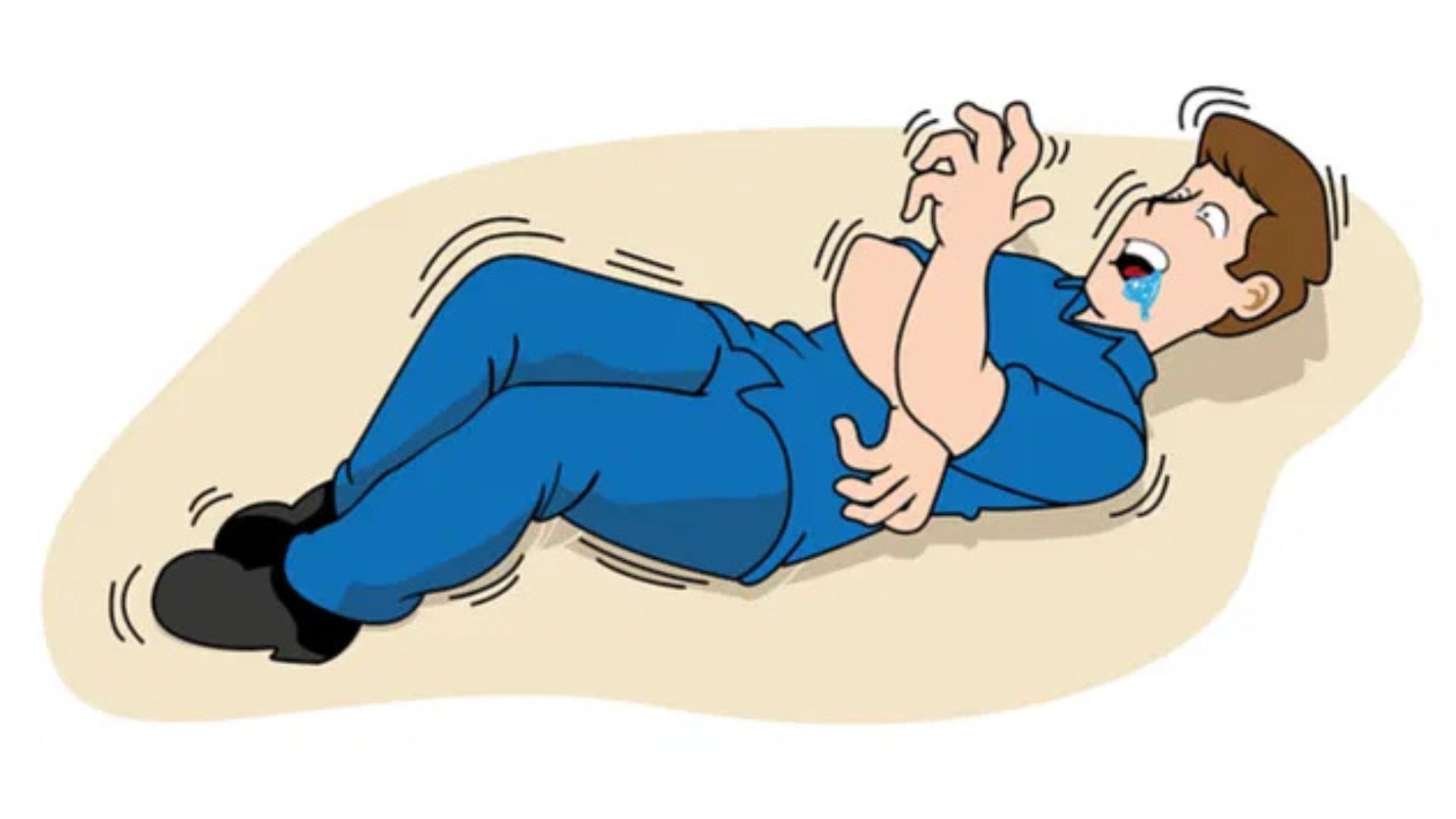
Epilepsy is a neurological disorder characterized by recurrent, unprovoked seizures. A seizure occurs when there is a sudden surge of electrical activity in the brain, causing temporary changes in behavior, sensation, or consciousness. While epilepsy affects people of all ages, it is particularly common in children and older adults. Understanding its causes, symptoms, and treatments is essential for effective management.
Signs and Symptoms of Seizures
Seizures can vary greatly depending on which part of the brain is affected. Common symptoms include:
Temporary confusion or staring spells
Uncontrollable jerking movements of the arms and legs
Loss of consciousness or awareness
Emotional changes, such as fear or anxiety
Unusual sensations, such as tingling or visual disturbances
Some seizures may be subtle and barely noticeable, while others can be dramatic and severe. Recognizing the type of seizure is crucial for diagnosis and treatment.
Causes and Risk Factors
Epilepsy can result from multiple causes:
Genetic factors: Some types of epilepsy run in families.
Brain injury: Trauma, stroke, or infection can trigger seizures.
Developmental disorders: Conditions such as autism may increase the risk.
Neurological diseases: Tumors or neurodegenerative conditions may contribute.
Unknown causes: In many cases, the exact cause is not identified.
Certain triggers can provoke seizures in people with epilepsy, including sleep deprivation, stress, flashing lights, alcohol, or certain medications.
Treatment and Management
Although epilepsy cannot always be cured, seizures can often be controlled with proper treatment.
1. Medications:
Antiepileptic drugs (AEDs) are the first-line treatment to reduce or prevent seizures.
The choice of medication depends on the seizure type and patient-specific factors.
2. Surgery:
For patients whose seizures do not respond to medication, surgery may remove the affected area of the brain.
Vagus nerve stimulation or responsive neurostimulation can also help control seizures.
3. Lifestyle and Self-Care:
Adequate sleep, stress management, and avoidance of seizure triggers.
Regular follow-up with a neurologist to monitor treatment effectiveness.
Safety precautions during daily activities, such as avoiding swimming alone or climbing heights.
4. Support and Education:
Counseling and support groups help patients and families cope with the emotional and social impact of epilepsy.
When to Seek Immediate Help
Seek urgent medical attention if a seizure:
Lasts more than five minutes
Occurs consecutively without recovery
Causes injury, difficulty breathing, or confusion
Prompt treatment reduces complications and improves quality of life.