Spinal Cord Disorders
Spinal cord disorders refer to any condition that damages or affects the spinal cord — the vital bundle of nerves that carries messages between the brain and the rest of the body. These disorders can lead to problems with movement, sensation, and even control of basic functions like bladder and bowel.
They may be caused by injury, infections, inflammation, tumors, degenerative diseases, or autoimmune conditions. Symptoms can range from pain and weakness to paralysis, depending on the severity and location of the disorder.
Early diagnosis and treatment are essential to prevent permanent damage and help patients maintain mobility and quality of life.
Common Symptoms
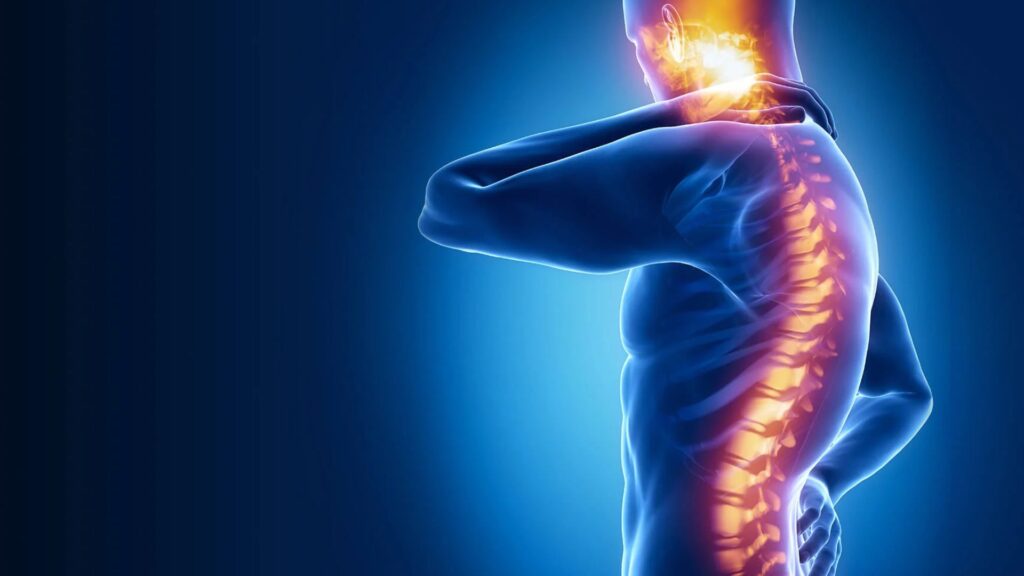
Back or neck pain
Weakness in arms or legs
Numbness or tingling sensations
Loss of coordination or balance
Bladder or bowel control problems
Causes & Conditions
Spinal cord disorders may result from:
Trauma or injury
Infections and inflammation
Degenerative diseases (like spinal stenosis or herniated discs)
Tumors affecting the spine
Autoimmune conditions (e.g., multiple sclerosis)
Treatment & Care
Treatment depends on the underlying condition and severity:
Medications: To reduce pain, inflammation, or nerve-related symptoms
Surgery: To relieve pressure, stabilize the spine, or remove tumors
Rehabilitation: Physical therapy, occupational therapy, and mobility support
Lifestyle Management: Regular exercise, posture correction, and ergonomic support
Living with Spinal Cord Disorders: With timely care, rehabilitation, and ongoing support, patients can regain function, improve mobility, and enhance quality of life.