A stroke is a medical emergency that occurs when blood flow to the brain is disrupted. Immediate recognition and treatment are crucial to prevent permanent brain damage, disability, or death. One of the easiest ways to remember the warning signs of a stroke is the FAST acronym.
What is FAST?
FAST stands for Face, Arms, Speech, Time. These simple checks help identify a stroke quickly:
F – Face Drooping
Ask the person to smile.
Look for uneven facial muscles or drooping on one side.
A – Arm Weakness
Ask the person to raise both arms.
Check if one arm drifts downward or cannot be lifted.
S – Speech Difficulty
Ask the person to repeat a simple sentence.
Listen for slurred speech, inability to speak, or strange word usage.
T – Time to Call Emergency Services
If any of the above signs are present, call emergency services immediately.
Quick treatment, such as clot-busting medication, can save lives and prevent long-term disability.
Other Stroke Symptoms
Besides FAST, be aware of additional warning signs:
Sudden numbness or weakness in the face, arm, or leg (especially on one side)
Sudden confusion or trouble understanding speech
Sudden trouble seeing in one or both eyes
Sudden trouble walking, dizziness, loss of balance, or coordination
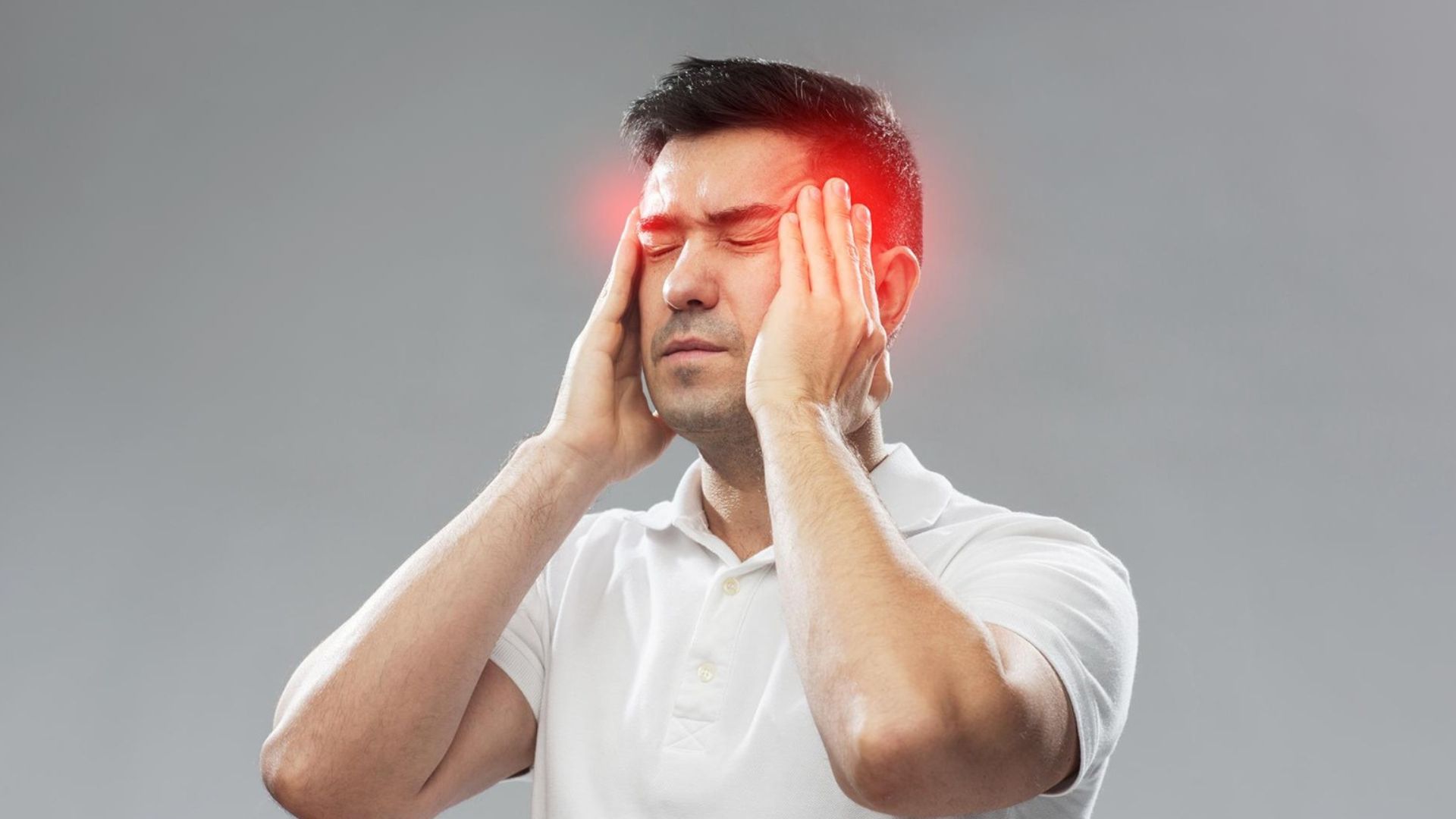
Sudden severe headache with no known cause
Why Acting Fast Matters
Every minute counts during a stroke. Brain cells begin to die within minutes of oxygen loss. Early medical intervention can:
Reduce the risk of permanent brain damage
Improve recovery outcomes
Prevent long-term disabilities like paralysis, speech difficulties, or memory loss