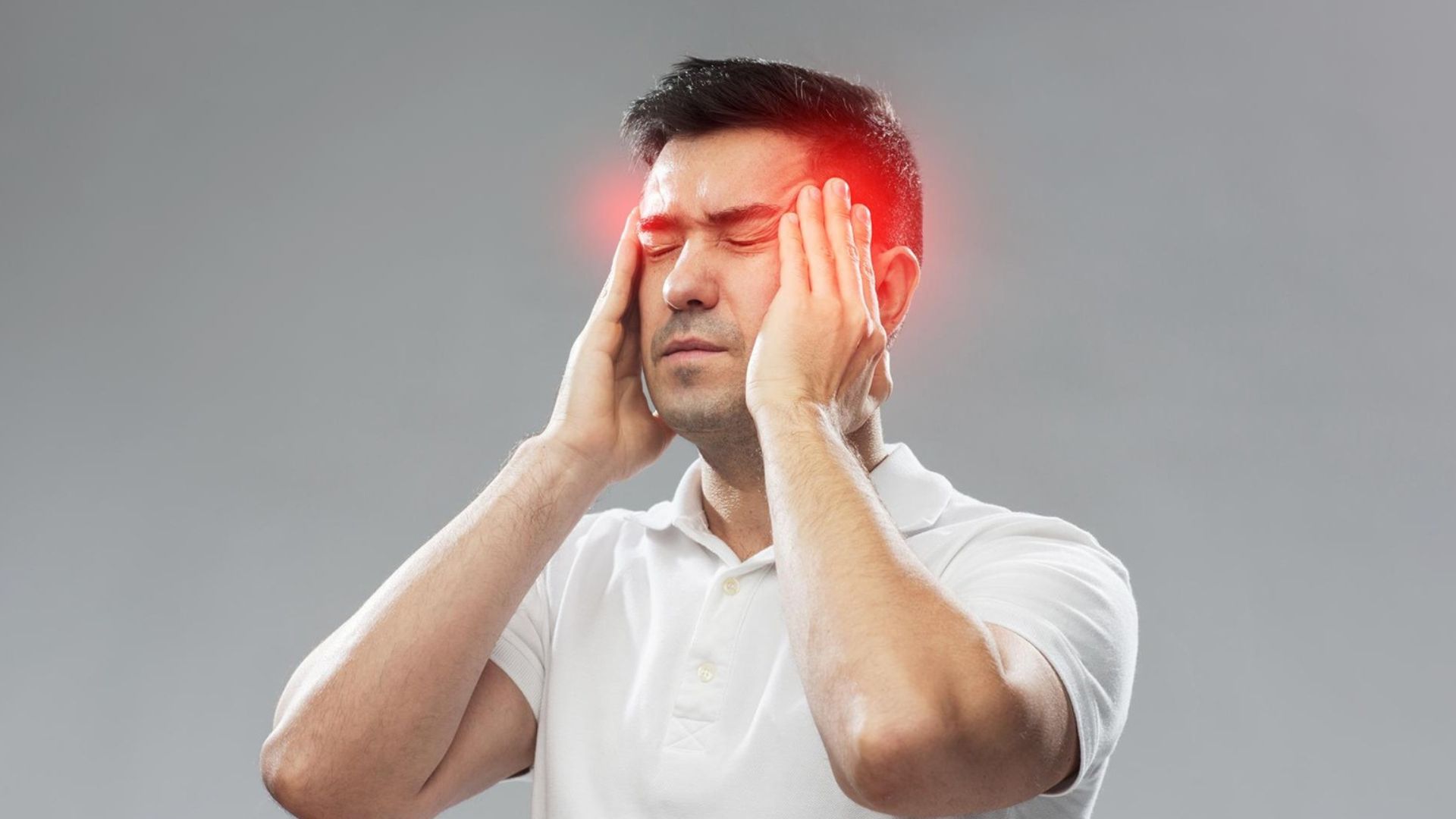
Headaches are one of the most common neurological complaints worldwide. While most headaches are mild and temporary, migraines are a more severe form of headache that can significantly affect daily life. Understanding the differences, causes, symptoms, and treatments is essential for effective management.
Types of Headaches
Tension Headaches:
The most common type of headache, often caused by stress, poor posture, or fatigue.
Symptoms: Dull, aching pain around the forehead or back of the head, tightness in the neck and shoulders.
Migraines:
A neurological condition characterized by intense, throbbing pain, usually on one side of the head.
Symptoms: Severe headache, nausea, vomiting, sensitivity to light and sound, visual disturbances (auras).
Triggers: Stress, hormonal changes, certain foods, dehydration, lack of sleep, or environmental factors.
Cluster Headaches:
Rare but extremely painful, often occurring in cycles or clusters.
Symptoms: Intense pain around one eye, watery eyes, nasal congestion, restlessness during attacks.
Secondary Headaches:
Result from underlying medical conditions such as infections, high blood pressure, or brain injuries.
Symptoms vary depending on the cause.
Causes and Triggers
Migraines and headaches can be triggered by multiple factors:
Stress and anxiety
Hormonal changes in women (menstrual cycles, pregnancy)
Poor sleep or irregular sleep patterns
Certain foods and beverages (caffeine, processed foods, alcohol)
Dehydration
Environmental factors (bright lights, loud noises, strong smells)
Identifying personal triggers can help reduce the frequency and severity of headaches.
Treatment and Management
1. Medications:
Over-the-counter pain relievers for mild headaches (acetaminophen, ibuprofen).
Prescription medications for migraines, including triptans, anti-nausea drugs, and preventive therapies.
2. Lifestyle Modifications:
Maintain a consistent sleep schedule.
Stay hydrated and eat balanced meals.
Exercise regularly to reduce stress.
3. Stress Management Techniques:
Yoga, meditation, and relaxation exercises.
Cognitive-behavioral therapy (CBT) for chronic migraine patients.
4. Avoiding Triggers:
Keeping a headache diary to identify foods, activities, or environmental triggers.
Limiting caffeine, alcohol, and processed foods.
When to See a Neurologist
While most headaches are not life-threatening, certain symptoms require immediate medical attention:
Sudden, severe headache unlike any before
Headache with fever, stiff neck, or rash
Vision problems, weakness, or numbness
Headache after head injury
A neurologist can provide accurate diagnosis, recommend preventive strategies, and offer treatments tailored to your condition.