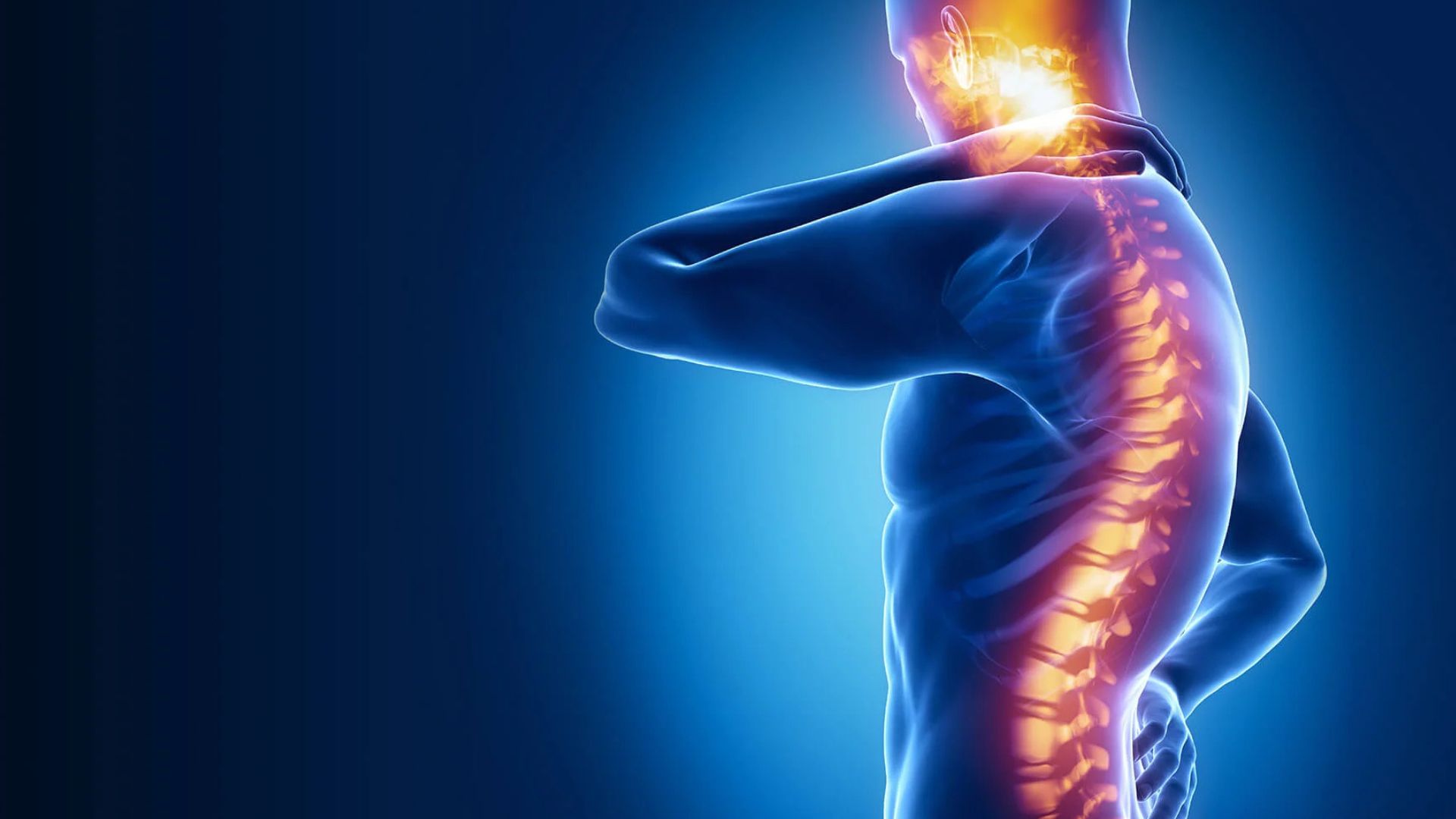
The spinal cord is a vital part of the nervous system, acting as the main pathway for transmitting messages between the brain and the rest of the body. Damage or disease affecting the spinal cord can lead to serious neurological problems, including pain, weakness, loss of sensation, and paralysis. Understanding spinal cord disorders, their causes, symptoms, and treatments is crucial for maintaining mobility and overall health.
Common Spinal Cord Disorders
Spinal Cord Injury (SCI):
Can result from trauma, such as car accidents, falls, or sports injuries.
May cause partial or complete loss of movement and sensation below the injury site.
Degenerative Diseases:
Conditions like spinal stenosis or degenerative disc disease lead to compression of the spinal cord or nerves.
Symptoms include back pain, numbness, tingling, and difficulty walking.
Inflammatory and Infectious Disorders:
Infections (e.g., spinal meningitis) or autoimmune conditions (e.g., transverse myelitis) can damage spinal cord tissue.
Symptoms include pain, weakness, fever, and sensory disturbances.
Tumors of the Spine:
Tumors can be primary (originating in the spinal cord) or secondary (metastatic).
They may compress nerves and cause pain, weakness, or paralysis.
Signs and Symptoms
Symptoms vary depending on the location and severity of the disorder but may include:
Weakness or paralysis in arms, legs, or trunk
Loss of sensation, numbness, or tingling
Difficulty walking or maintaining balance
Chronic pain or discomfort
Loss of bladder or bowel control
Early recognition of symptoms is essential for timely treatment and preventing permanent damage.
Causes and Risk Factors
Trauma: Accidents, falls, or sports injuries
Degenerative changes: Aging, arthritis, or disc problems
Infections: Bacterial, viral, or fungal infections affecting the spinal cord
Autoimmune disorders: Conditions that attack spinal cord tissues
Tumors: Benign or malignant growths pressing on spinal nerves
Treatment and Management
Treatment depends on the type and severity of the disorder:
1. Medications:
Pain relievers, anti-inflammatory drugs, or medications to manage nerve pain.
Steroids to reduce inflammation in acute injuries or autoimmune conditions.
2. Surgery:
To remove tumors, relieve compression, stabilize fractures, or repair spinal injuries.
3. Rehabilitation and Therapy:
Physical therapy to regain strength and mobility
Occupational therapy for daily activity management
Assistive devices such as braces, walkers, or wheelchairs
4. Lifestyle Modifications:
Maintaining a healthy weight and posture
Regular exercise to strengthen supporting muscles
Avoiding activities that increase the risk of spinal injury